Tag every spill kit
Durable QR labels arrive pre-registered to your account. Nothing onthe sticker identifies you — the link between tag and company lives on the server.
Spill Kit & Containment
Spill kits get raided during an actual spill and quietly go unrestocked, so the next one has nothing to work with. A sticker on the kit turns the monthly check into a proof-of-restock record.
Learn more about plans and limits,security, and our privacy policy, or contact sales for rollout questions.
How it works
No rollout project and no training day. The tag on the spill kit is the entire interface.
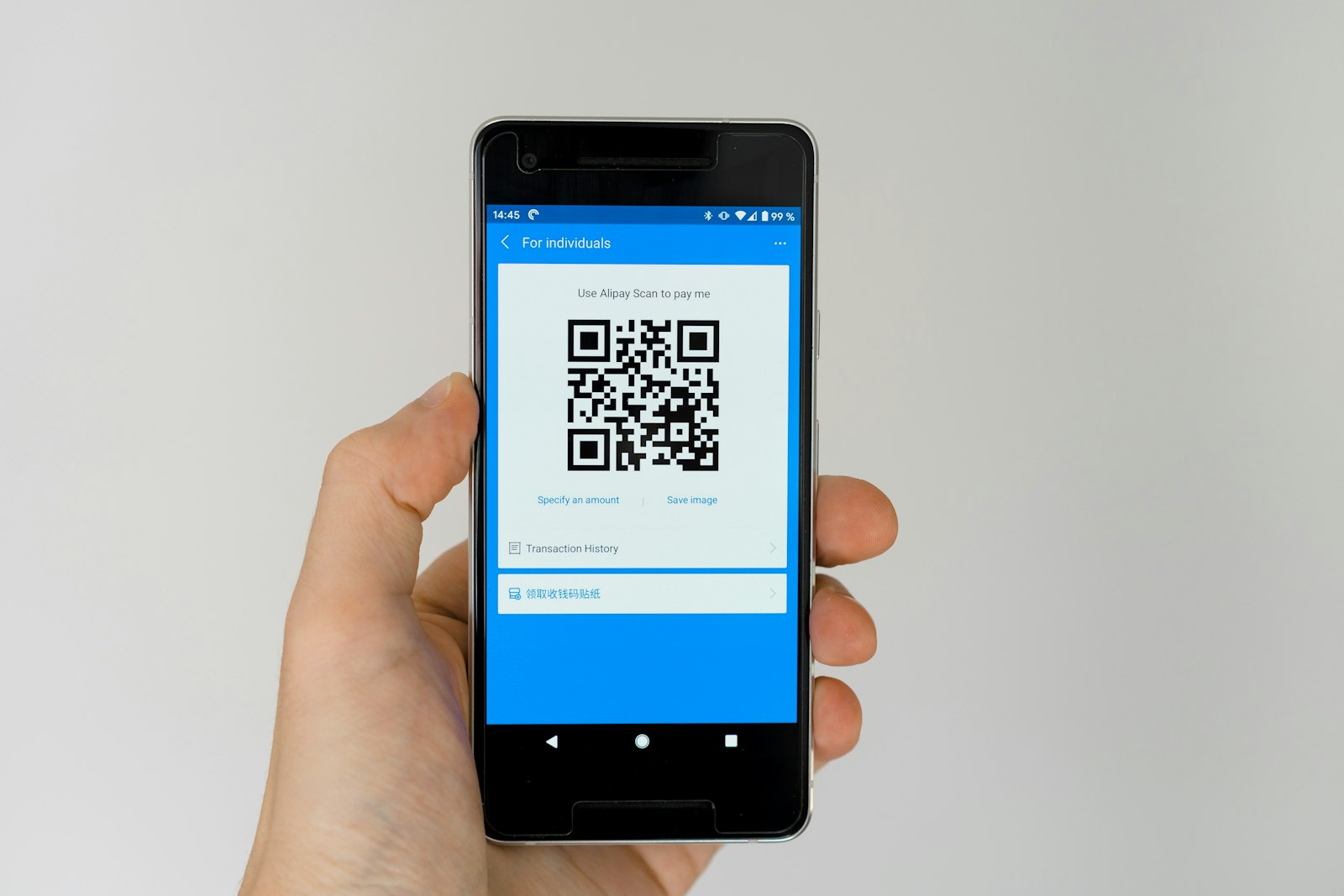
Durable QR labels arrive pre-registered to your account. Nothing onthe sticker identifies you — the link between tag and company lives on the server.
Scanning an unclaimed code walks you through naming the spill kit, choosing a checklist and setting how often it needs checking.
Anyone with a phone sees when it was last inspected and files the next one. Overdue spill kits surface before an inspector finds them.
On the checklist
Start from a checklist that already knows the job, then change anything you want. Monthly stock check, immediate restock after any use.
Why it has to be provable
Spill response readiness is typically driven by facility SPCC plans, insurer requirements, and site-specific EHS programs rather than one universal inspection regulation.
A general walkthrough often just confirms the kit is physically present, not that it's actually stocked. A scan prompts someone to open it and photograph the contents, which is the only way to catch a kit that was emptied and never refilled.
Why teams switch
The spreadsheet was never the problem. Proving the check actually happened is.
Every inspection carries its timestamp, the person who filed it and the photos they took. A record that cannot be back-dated is worth more than one that can.
Assets past their interval are flagged on the dashboard and emailed to whoever owns them, so a missed check is noticed by you and not by an inspector.
Contractors and temporary staff scan and inspect without an account or a licence. You pay for assets tracked, not for seats.

What good looks like
Scan to filed inspection
Inspections with a timestamp and author
Apps for an inspector to install
Export formats, on demand, no request needed
Start with one checklist and one label. Nothing to install, and the record is yours to export whenever you want it. Contact us if you need help getting started.